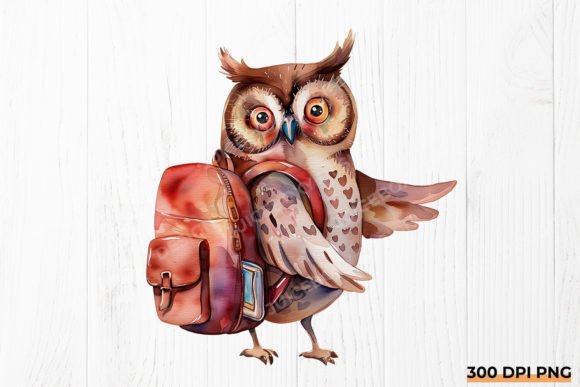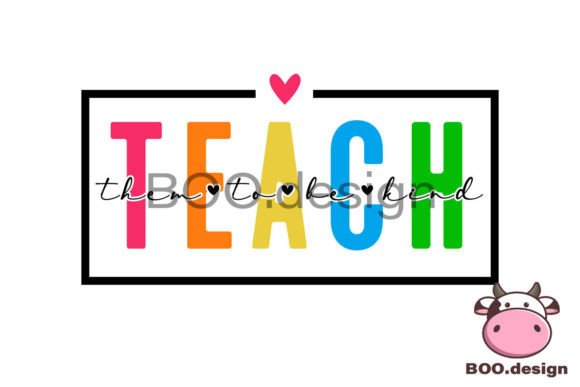
Teach to Be Kind SVG & Back to School SVG: A Creative Resource for Every Project
Whether you're an educator preparing for the new school year or a creative professional looking for versatile design assets, Teach to Be Kind SVG and Back to School SVG are powerful tools that can elevate your projects. These digital illustrations are not only visually appealing but also incredibly functional for a wide range of uses. However, many users may overlook important details when choosing, downloading, or using these files. Understanding how to work with them effectively can save time, avoid frustration, and ensure your final output looks its best.
What Are Teach to Be Kind SVG and Back to School SVG?
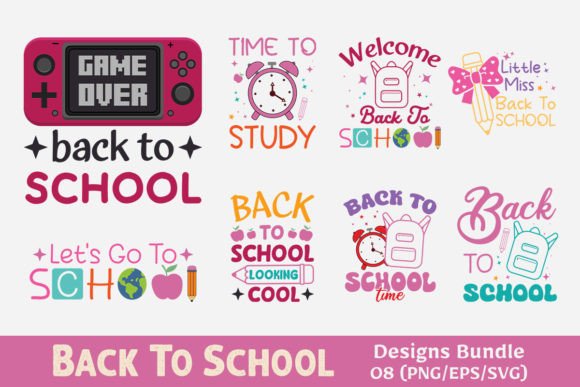
SVG stands for Scalable Vector Graphics, which means these images can be resized without losing quality. This makes them ideal for both small and large-scale projects. The Teach to Be Kind SVG is a thoughtful illustration designed to promote kindness, empathy, and positive behavior—perfect for classroom materials, social media posts, or community events. Similarly, the Back to School SVG captures the spirit of returning to learning, making it a popular choice for school supplies, banners, and educational resources.
Both designs are available in multiple file formats, including SVG, DXF, EPS, and PNG. This variety ensures compatibility with various software and hardware, from graphic design programs like Adobe Illustrator to vinyl cutters used for crafting and signage.
Common Mistakes When Using SVG Files
While SVG files offer great flexibility, there are several common mistakes that can hinder their effectiveness. One of the most frequent issues is assuming all SVGs are created equal. Not all SVG files are optimized for every use case. For example, some may have unnecessary layers or complex paths that make them difficult to edit or scale properly.
Another mistake is not checking the file format before downloading. While the Teach to Be Kind SVG and Back to School SVG come with multiple formats, users should verify which ones they need based on their intended use. If you're planning to print or cut the design, the DXF and EPS files might be more suitable than the PNG version.
A third error is failing to unzip the downloaded file. Many users overlook this simple step, leading to confusion and wasted time. Always remember that the files will be compressed into a ZIP folder, and you’ll need to extract them before opening or using them in any software.
How to Avoid Common Pitfalls
To ensure a smooth experience, start by clearly defining your project needs. Ask yourself: Will I be using this for digital display, printing, or cutting? Based on the answer, choose the appropriate file format. For instance, if you're designing a website banner, the SVG format is ideal. If you're working on a t-shirt design, the PNG file with a transparent background could be more useful.
Before downloading, check the product description for any specific instructions or requirements. Some SVGs may require additional editing or layering to achieve the desired effect. If you're unsure about how to proceed, don’t hesitate to reach out for help. Most creators are happy to assist and provide guidance to ensure their designs are used correctly.
Finally, always test your files in the software or application you plan to use. Opening an SVG in one program doesn't guarantee it will work seamlessly in another. Testing helps identify potential issues early and allows you to make adjustments before finalizing your project.
Practical Uses for Teach to Be Kind SVG and Back to School SVG
The versatility of these SVGs makes them suitable for a wide range of applications. Educators can use the Back to School SVG to create classroom decorations, welcome signs, or even printable worksheets. Meanwhile, the Teach to Be Kind SVG can be incorporated into posters, social media graphics, or even merchandise that promotes positivity and compassion.
For creatives and entrepreneurs, these files can be used in marketing materials, blog headers, greeting cards, and more. The high-resolution PNG files (300 dpi) are especially useful for print projects, ensuring sharp and clear visuals. Additionally, since these files are editable, you can customize them to match your brand’s color scheme or add text as needed.
If you're interested in vinyl cutting, the DXF and EPS formats are perfect for transferring the design onto materials like fabric, wood, or plastic. Just make sure your cutting machine is compatible with those file types before proceeding.
Final Tips for Getting the Most Out of Your SVG Files
Always take the time to explore the different file formats included in your download. Each one has its own strengths and limitations, so knowing which to use when can greatly improve your workflow. Don’t forget to tag the creator in your project if you’re sharing it online—it’s a great way to show appreciation and encourage more high-quality content.
Lastly, keep an eye out for updates or new releases related to the Teach to Be Kind SVG and Back to School SVG. Design trends evolve quickly, and staying informed can help you stay ahead of the curve and continue creating impressive, impactful work.